The Art of Cigar Festivals: Culture, Craftsmanship, and the Community Behind the Experience
The Art of Cigar Festivals: Culture, Craftsmanship, and the Community Behind the Experience
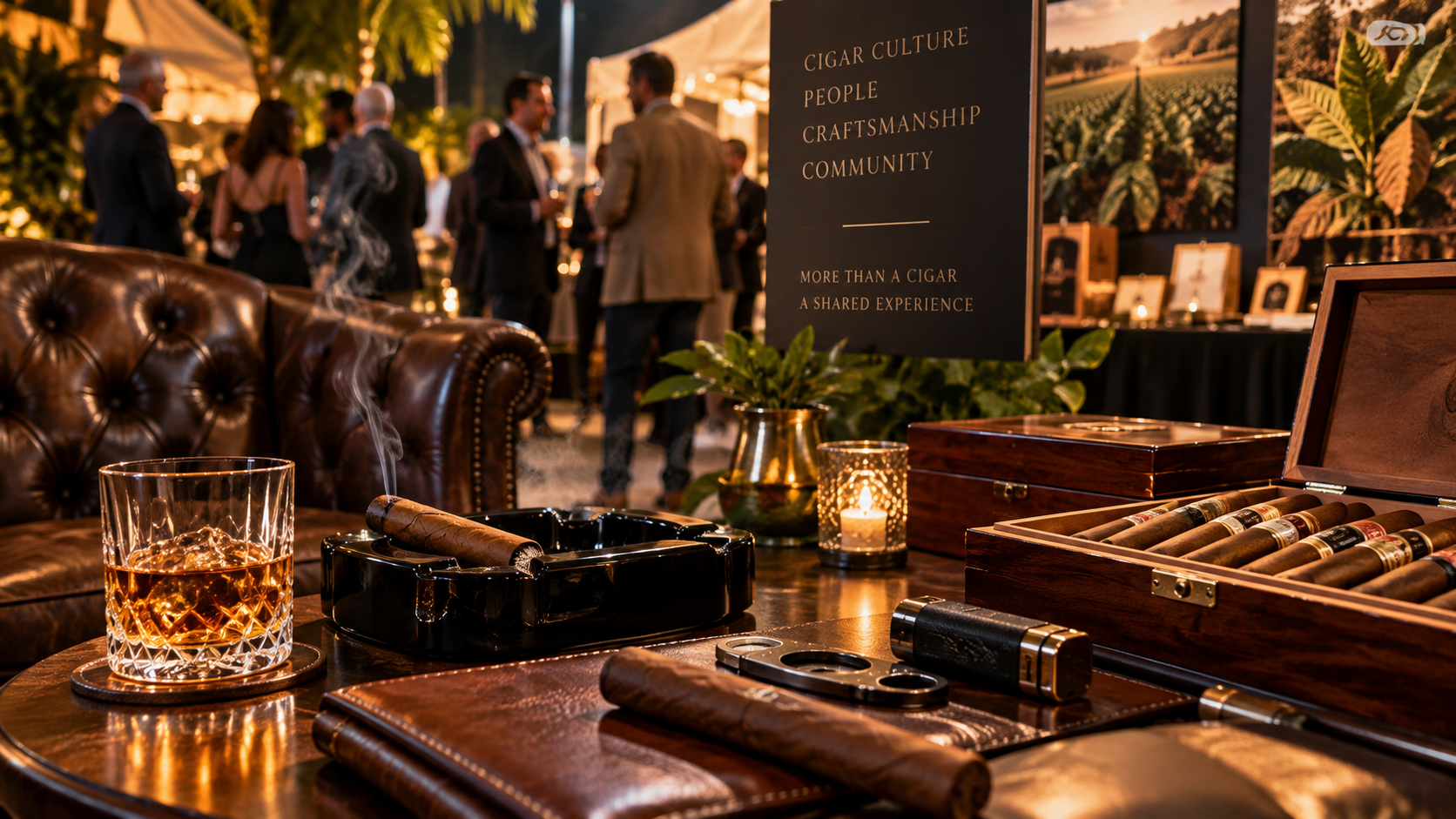
Cigar festivals occupy a unique place within premium cigar culture. They are part industry gathering, part educational experience, part social event, and part celebration of a craft that begins long before a finished cigar reaches a retailer or lounge. For attendees, these gatherings can offer a closer look at the people, traditions, techniques, and communities that exist behind the finished product.
Although the cigar itself may be the most visible element, a well-established cigar festival often represents something much larger. Manufacturers may introduce their work, rollers may demonstrate aspects of handcraft, industry professionals may discuss tobacco-growing regions or manufacturing traditions, and enthusiasts may exchange experiences with people who share the same interests. Food, hospitality, music, educational activities, and conversations can all contribute to the atmosphere.
Understanding cigar festivals therefore requires looking beyond individual brands or products. These events are connected to agriculture, craftsmanship, history, hospitality, culture, regulation, and community.
For readers who are unfamiliar with cigar events, the experience can initially appear complicated. There may be unfamiliar terminology, numerous exhibitors, scheduled activities, specialized accessories, and discussions about tobacco that assume a certain level of background knowledge. At the same time, longtime enthusiasts may approach festivals as an opportunity to reconnect with familiar people and continue learning about a constantly changing industry.
This guide explores the broader world of cigar festivals and explains why these gatherings continue to attract interest within adult cigar communities.
What Is a Cigar Festival?
A cigar festival is generally an organized gathering centered around premium cigars, cigar culture, or the tobacco industry.
The exact format can vary considerably.
Some festivals are large public events with many exhibitors, entertainment, food, hospitality areas, and educational presentations. Others are smaller gatherings focused on a particular community, manufacturer, region, or style of event.
Common elements may include:
- Cigar manufacturers
- Specialty retailers
- Accessory companies
- Industry publications
- Educational demonstrations
- Hospitality areas
- Food and beverage service
- Live entertainment
- Community organizations
- Event merchandise
- Presentations or discussions
Not every event includes all of these elements.
The character of a cigar festival depends on the organizer, location, audience, venue, legal environment, and purpose of the gathering.
Some are primarily social. Others emphasize education, industry networking, or craftsmanship.
A Culture Built Around Craftsmanship
One of the reasons cigar festivals differ from many ordinary consumer events is the importance of craftsmanship within premium cigar culture.
A handmade cigar is the result of numerous stages involving agriculture, tobacco processing, blending, rolling, quality control, storage, and distribution.
The final cigar may appear relatively simple, but the production process can involve considerable skill and time.
For many enthusiasts, cigar festivals provide an opportunity to understand that process more closely.
From Tobacco Plant to Finished Cigar
Before tobacco becomes part of a finished cigar, the plant goes through multiple stages.
These can include:
Cultivation
Tobacco begins as an agricultural crop.
Growing conditions such as soil, rainfall, temperature, sunlight, plant variety, and agricultural practices can influence the characteristics of the harvested leaves.
Different regions have developed their own traditions and growing environments.
Harvesting
Leaves may be harvested according to their position on the plant and the desired use of the tobacco.
The timing and method of harvesting can affect subsequent processing.
Curing
After harvesting, tobacco leaves must be cured.
Curing allows moisture levels and plant characteristics to change gradually.
Different curing methods may be used depending on the type of tobacco and intended purpose.
Fermentation
Fermentation is another important stage in premium cigar tobacco production.
During this process, controlled biological and chemical changes can influence the character of the tobacco.
Managing temperature, moisture, and time requires experience.
Aging
Some tobacco may be aged for additional periods before being used in cigar production.
Aging practices vary considerably between manufacturers.
Sorting and Selection
Leaves may be sorted based on factors such as:
- Size
- Texture
- Appearance
- Strength
- Intended role within the cigar
Only certain leaves may be suitable for specific parts of the cigar.
Blending
A cigar’s blend involves selecting different tobaccos to create a particular profile and construction.
This can involve considerable experimentation.
The blend may incorporate tobacco from different regions, harvests, plant varieties, or processing methods.
Rolling
For handmade cigars, skilled rollers assemble the tobacco into the finished form.
Consistency matters.
Poor construction can affect airflow, combustion, and the physical integrity of the cigar.
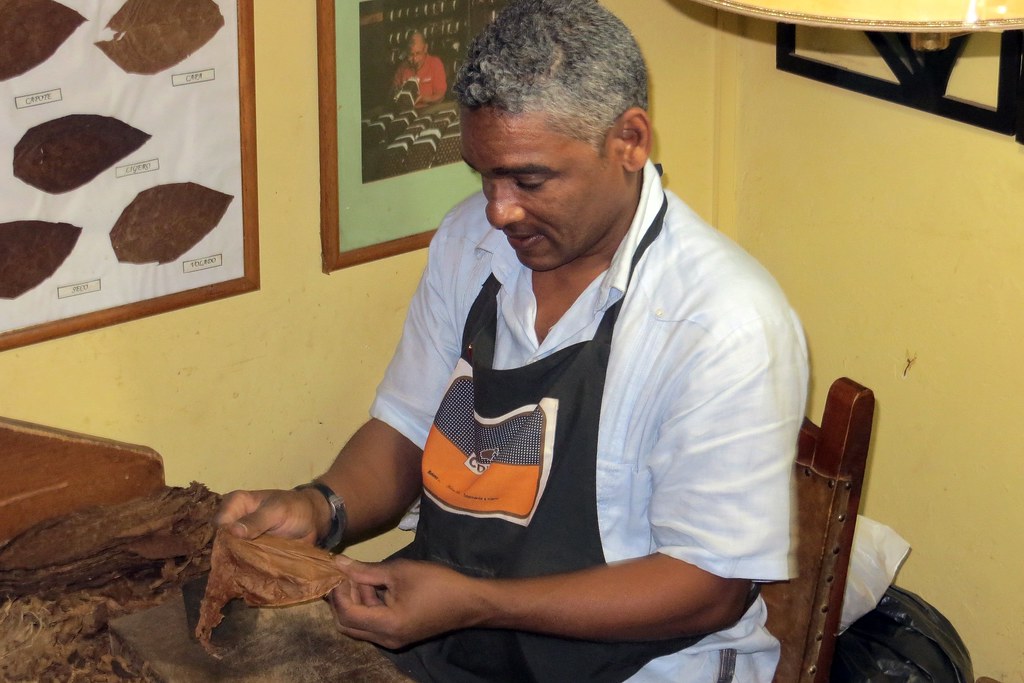
At festivals, rolling demonstrations can give attendees a better appreciation for the manual skill involved.
Wrapper, Binder, and Filler
Three terms frequently discussed at cigar festivals are wrapper, binder, and filler.
Understanding these components helps new attendees follow conversations about construction.
Wrapper
The wrapper is the outermost leaf.
Because it is visible, appearance is important. Wrapper leaves are generally selected for qualities such as texture, elasticity, and visual consistency.
The wrapper may also contribute to the overall character of the finished cigar.
Binder
The binder sits beneath the wrapper.
Its primary structural role is to hold the filler tobacco together and provide a stable base for the wrapper.
Filler
Filler tobacco forms the interior of the cigar.
Different filler leaves may be combined as part of a blend.
The arrangement and characteristics of these leaves can influence construction and overall experience.
At an event, understanding these basic terms makes discussions with manufacturers and educators much easier to follow.
Why People Attend Cigar Festivals
There is no single reason people attend.
Different participants may value different parts of the experience.
Learning
Some attendees are interested primarily in education.
They may want to learn about:
- Tobacco origins
- Cigar construction
- Manufacturing
- Industry history
- Regional traditions
- Storage
- Accessories
Speaking with experienced industry professionals can provide context that is difficult to gain from product packaging alone.
Community
Cigar culture has a strong social dimension.
Festivals can bring together people who might otherwise interact only through lounges, clubs, forums, or social communities.
Conversations may involve cigars, but they can also involve travel, food, craftsmanship, business, music, or everyday life.
For many attendees, the community itself becomes one of the most memorable parts of the event.
Craftsmanship
Some people attend because they appreciate handmade products.
Observing a skilled roller or hearing a blender discuss tobacco selection can provide insight into the work behind the finished cigar.
This is similar to the interest people may have in artisan food, traditional manufacturing, watches, coffee, or other craft-oriented industries.
Industry Awareness
Festivals can also provide insight into broader industry developments.
Manufacturers may discuss:
- New projects
- Production changes
- Company history
- Agricultural challenges
- Packaging
- Industry regulations
- Event activities
For readers who follow cigar industry news, festivals can provide additional context.
The Festival Atmosphere
The atmosphere of a cigar festival can vary dramatically.
A formal indoor gathering may feel very different from a large outdoor event.
Some festivals emphasize entertainment, while others focus heavily on manufacturer exhibits or educational sessions.
Elements that may influence the atmosphere include:
- Venue size
- Number of attendees
- Music
- Lighting
- Seating
- Food
- Hospitality
- Weather
- Event scheduling
- Local culture
Understanding the type of event you are attending can help set realistic expectations.
The Role of Manufacturers
Manufacturers frequently play a central role at cigar festivals.
Representatives may interact directly with attendees and discuss topics such as:
- Company history
- Tobacco sourcing
- Manufacturing traditions
- Blend development
- Regional operations
- Industry changes
These interactions can help attendees understand how different companies approach cigar production.
However, visitors should remember that representatives are naturally speaking from the perspective of their own organizations.
Manufacturer statements about products should therefore be understood as company-provided information rather than independent evaluation.
Rolling Demonstrations
One of the most visually interesting parts of some cigar events is the rolling demonstration.
Skilled cigar rollers may demonstrate portions of the process involved in creating a handmade cigar.
Even a short demonstration can reveal how much manual coordination is involved.
The roller must work with natural leaves that vary in texture, moisture, shape, and flexibility.
The process can involve:
- Arranging filler tobacco
- Applying the binder
- Shaping the cigar
- Preparing the wrapper
- Applying the wrapper leaf
- Finishing the head
Watching this process often helps people understand why handcrafted cigars are discussed as artisan products.
Cigar Festivals as Educational Spaces
Although festivals are social events, they can also function as informal educational environments.
Attendees may have opportunities to hear conversations about tobacco-growing regions, production techniques, historical traditions, or industry developments.
Some events may include formal seminars or presentations.
Others provide education through direct conversations with exhibitors.
For a new enthusiast, asking thoughtful questions can often be more valuable than trying to learn everything at once.
Understanding Event Etiquette
Every festival has its own rules and culture.
Attendees should always follow the organizer’s policies.
General event etiquette often involves consideration for:
- Venue rules
- Designated smoking areas
- Other attendees
- Staff
- Exhibitors
- Local laws
Large events can become crowded, so awareness of shared space is important.
Attendees should also avoid assuming that every exhibitor can provide extended individual attention when lines are long.
A respectful approach usually creates a better experience for everyone.
Planning Before Attending
Large festivals can include many activities.
Reviewing available information before arrival can make the day easier.
Useful information may include:
- Event schedule
- Venue location
- Parking
- Entry policies
- Weather conditions
- Exhibitor lists
- Venue restrictions
- Transportation options
Visitors should always confirm important details through the official event organizer because schedules and policies may change.
Understanding Festival Schedules
Some attendees attempt to visit every booth or activity.
That can be difficult at larger events.
A better approach is often to identify a few priorities.
For example, attendees may be particularly interested in:
- Educational sessions
- Specific manufacturers
- Rolling demonstrations
- Industry discussions
- Social activities
Having a flexible plan can help reduce the feeling of rushing through the event.
The Role of Cigar Lounges
Cigar lounges are another important part of cigar culture.
Some festivals are associated with local lounges, retailers, or hospitality venues.
Lounges can serve as year-round gathering spaces where adult enthusiasts meet outside major festival events.
They may also support local cigar communities by hosting:
- Educational evenings
- Manufacturer visits
- Social gatherings
- Industry discussions
Festivals can strengthen these communities by bringing a larger group together periodically.
Cigar Events and Hospitality
Hospitality is often an important part of cigar festivals.
Seating areas, food service, entertainment, and social spaces can significantly influence the overall event experience.
A festival with thoughtful hospitality may encourage attendees to slow down, have conversations, and spend more time engaging with exhibitors.
The environment therefore matters almost as much as the program itself.
Food and Pairing Culture
Cigar festivals sometimes include food or discussions about pairing cigars with beverages.
Pairing culture is highly subjective.
Different people may perceive flavors and aromas differently, and there is no universal pairing that every person will prefer.
Common discussions may involve:
- Coffee
- Chocolate
- Food
- Non-alcoholic beverages
- Spirits or other adult beverages where legally permitted
These conversations are best understood as part of hospitality and sensory culture rather than strict rules.
Accessories and Craft
Cigar festivals frequently include accessory manufacturers or retailers.
Accessories may include:
- Humidors
- Cutters
- Cases
- Ashtrays
- Storage products
Many of these items have their own craftsmanship traditions.
For example, humidors may involve woodworking, hardware, seals, and humidity-management systems.
Attendees interested in design and manufacturing may find these areas particularly interesting.
Cigar Storage Education
Storage is another common educational topic within cigar culture.
Premium cigars are made from natural tobacco and are affected by environmental conditions.
Improper storage can influence their physical condition.
Discussions about storage often involve:
- Relative humidity
- Temperature
- Containers
- Humidors
- Maintenance
Specific approaches can vary depending on circumstances, equipment, and environment.
For people attending a festival primarily for education, basic storage knowledge can be valuable context.
The Importance of Cigar History
Cigar festivals also connect modern enthusiasts with a long history of tobacco agriculture and manufacturing.
Cigar traditions have developed across numerous countries and regions.
Communities in the Caribbean, Central America, South America, and elsewhere have contributed to the industry through agriculture, manufacturing, blending, and craftsmanship.
Political, economic, agricultural, and cultural changes have all influenced where cigars are produced and how the industry has developed.
Understanding history helps explain why certain regions, manufacturers, and traditions remain significant within modern cigar culture.
Community and Conversation
Perhaps the most distinctive feature of cigar festivals is conversation.
Unlike events centered entirely on rapid product demonstrations or entertainment, cigar gatherings often include long periods of social interaction.
Attendees may spend considerable time talking with:
- Friends
- Manufacturers
- Retailers
- Other enthusiasts
- Event staff
These conversations can become as important as the official program.
For many participants, the opportunity to meet people with a shared interest is the primary reason to attend.
New Enthusiasts and Experienced Collectors
Cigar festivals often bring together people with very different levels of experience.
A newcomer may still be learning basic terminology.
A longtime enthusiast may have years of knowledge about manufacturers, blends, regions, and industry history.
A good community allows both groups to participate.
New attendees should not feel pressured to demonstrate extensive knowledge.
Asking straightforward questions can often lead to useful conversations.
At the same time, experienced enthusiasts can contribute by sharing information without making the environment unnecessarily intimidating.
Industry Networking
For professionals, cigar festivals can also serve as networking opportunities.
Manufacturers, retailers, distributors, media representatives, and event organizers may use these gatherings to maintain professional relationships.
Industry networking can occur alongside the public festival experience.
This helps explain why many cigar events have both consumer and business dimensions.
Festivals and Local Economies
Major events can also affect local hospitality businesses.
Visitors may use:
- Hotels
- Restaurants
- Transportation
- Local retailers
- Entertainment venues
For host cities, a successful festival can contribute to tourism activity.
However, the economic significance of an event depends heavily on its size, attendance, visitor patterns, and local circumstances.
Regulations and Venue Policies
Cigar festivals operate within legal and regulatory environments.
Rules may concern:
- Tobacco age requirements
- Smoking restrictions
- Indoor air regulations
- Event licensing
- Sales
- Advertising
- Venue policies
Requirements vary by jurisdiction.
Visitors should never assume that practices permitted at one event or location will be allowed elsewhere.
Official organizer information and applicable local regulations should be consulted before attending.
Health Awareness
Any responsible discussion of cigar culture should acknowledge that tobacco use involves health risks.
A festival environment may celebrate craftsmanship, culture, community, and history, but those topics do not eliminate the risks associated with tobacco.
OC Cigar Fest does not present cigar use as safe or harmless.
Readers with health-related questions should rely on qualified healthcare professionals and appropriate public health resources rather than editorial festival coverage.
Common Misconceptions About Cigar Festivals
“You Need to Be an Expert to Attend”
Not necessarily.
Many events attract people with different levels of knowledge.
A willingness to learn and respect the event environment is generally more useful than knowing every cigar term beforehand.
“Every Festival Is Basically the Same”
Festivals can differ dramatically.
Venue, organizers, exhibitors, audience, scale, and program structure can create completely different experiences.
“The Event Is Only About Products”
Products may be visible, but craftsmanship, community, education, hospitality, and social interaction often play major roles.
“Every Recommendation Is Objective”
Cigar preferences are subjective.
Discussions about flavor, aroma, construction, and overall experience often involve personal perception.
How Cigar Festivals Continue to Evolve
Like many industries, cigar events continue to change.
Digital media has made it easier for enthusiasts to learn about events and follow manufacturers throughout the year.
Social platforms and online communities have also created relationships that may eventually move into physical gatherings.
At the same time, regulations, venue policies, economic conditions, and consumer preferences continue to influence the way events are organized.
Modern cigar festivals therefore combine old traditions with new forms of communication and community building.
What Makes a Memorable Cigar Festival?
A memorable event is not simply one with the largest number of exhibitors.
The strongest experiences often combine several elements:
- Good organization
- Clear communication
- Comfortable space
- Educational opportunities
- Knowledgeable participants
- Strong hospitality
- Genuine community interaction
Attendees remember how an event felt, not only what was displayed.
A well-designed festival gives people time and space to learn, talk, and appreciate the culture surrounding the craft.
The Broader Meaning of Cigar Festivals
At their best, cigar festivals provide a meeting place between agriculture, manufacturing, culture, hospitality, and community.
A cigar begins with a plant grown in a field, but its journey involves many people before reaching the consumer.
Festivals make portions of that journey visible.
They allow attendees to meet individuals connected to the industry, learn about traditional processes, hear different perspectives, and understand the social world that has developed around premium cigars.
That broader context is what makes cigar festivals worth examining as cultural events rather than simply commercial gatherings.
Conclusion
Cigar festivals are complex experiences.
They combine the agricultural history of tobacco, the skill of cigar craftsmanship, the business of the modern cigar industry, the traditions of hospitality, and the social character of enthusiast communities.
For newcomers, festivals can provide an accessible introduction to cigar terminology and craftsmanship.
For experienced enthusiasts, they can offer opportunities to reconnect with familiar communities, follow industry developments, and deepen their understanding of particular traditions.
The most meaningful way to approach a cigar festival is with curiosity, respect, and realistic expectations.
Observe the craftsmanship. Ask thoughtful questions. Explore the history. Talk with people who have different experiences. Pay attention to the community around the event.
The finished cigar may be the object around which the gathering is organized, but the larger story involves the people, traditions, skills, and conversations surrounding it.
That is the culture OC Cigar Fest exists to explore.
Responsible Use Disclaimer
OC Cigar Fest is intended for adults of legal age and provides editorial and educational information about cigar festivals, craftsmanship, culture, and industry topics.
Tobacco products involve health risks. Nothing in this article should be interpreted as suggesting that cigar smoking is safe or risk-free.
OC Cigar Fest does not provide medical or legal advice. Readers should consult appropriate professionals or official resources when health or regulatory questions arise.